NYSA SILK Editorial · 6 min read
India is home to some of the world's most exquisite silk-weaving traditions, and two names stand above all others: Kanjivaram from the temple town of Kanchipuram in Tamil Nadu, and Banarasi from the ancient city of Varanasi in Uttar Pradesh. Both carry centuries of heritage, both are prized by collectors, and both make extraordinary occasion wear. Yet they differ significantly in technique, texture, and aesthetic — and understanding those differences helps you choose the right silk for every moment.
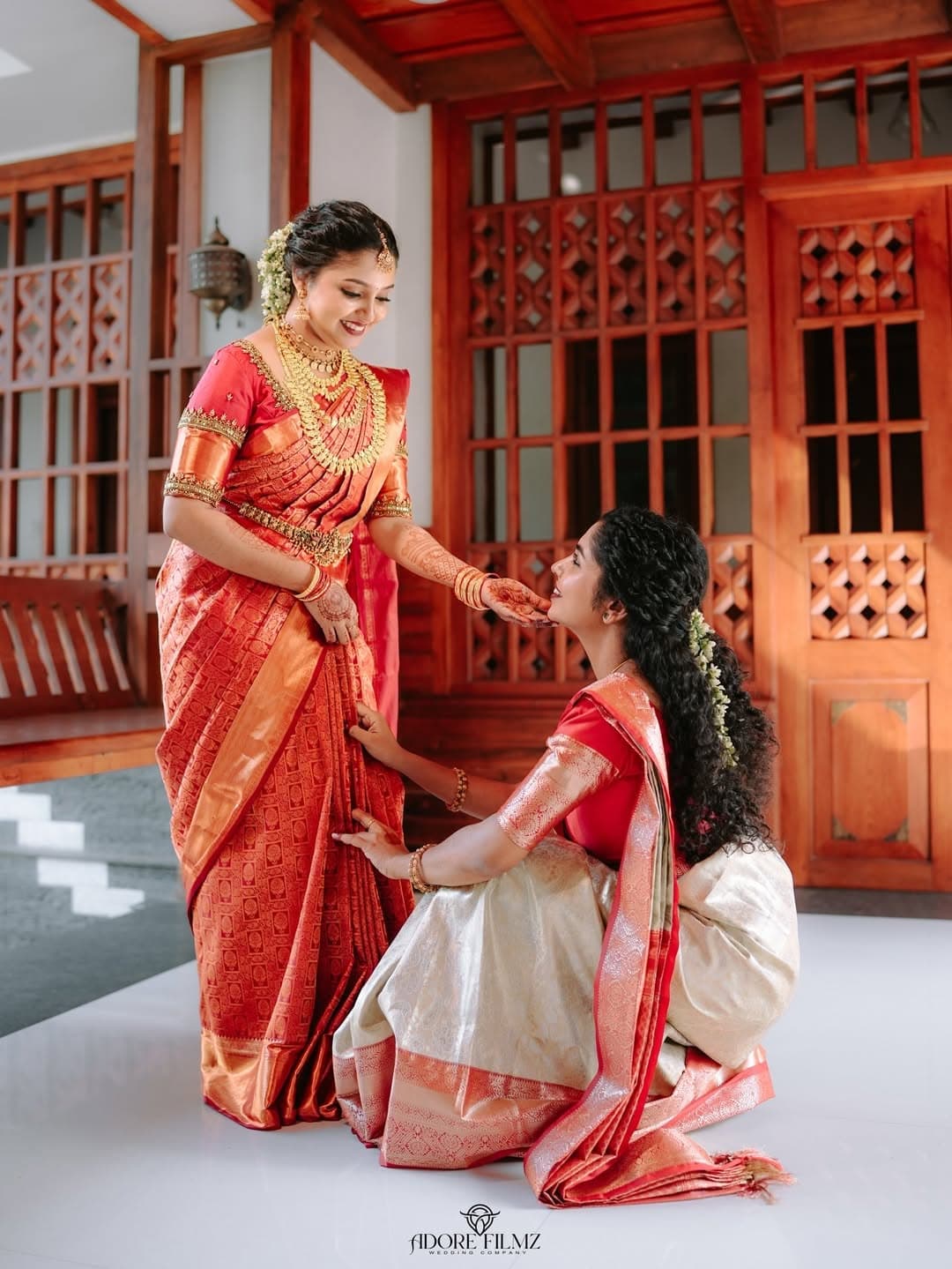
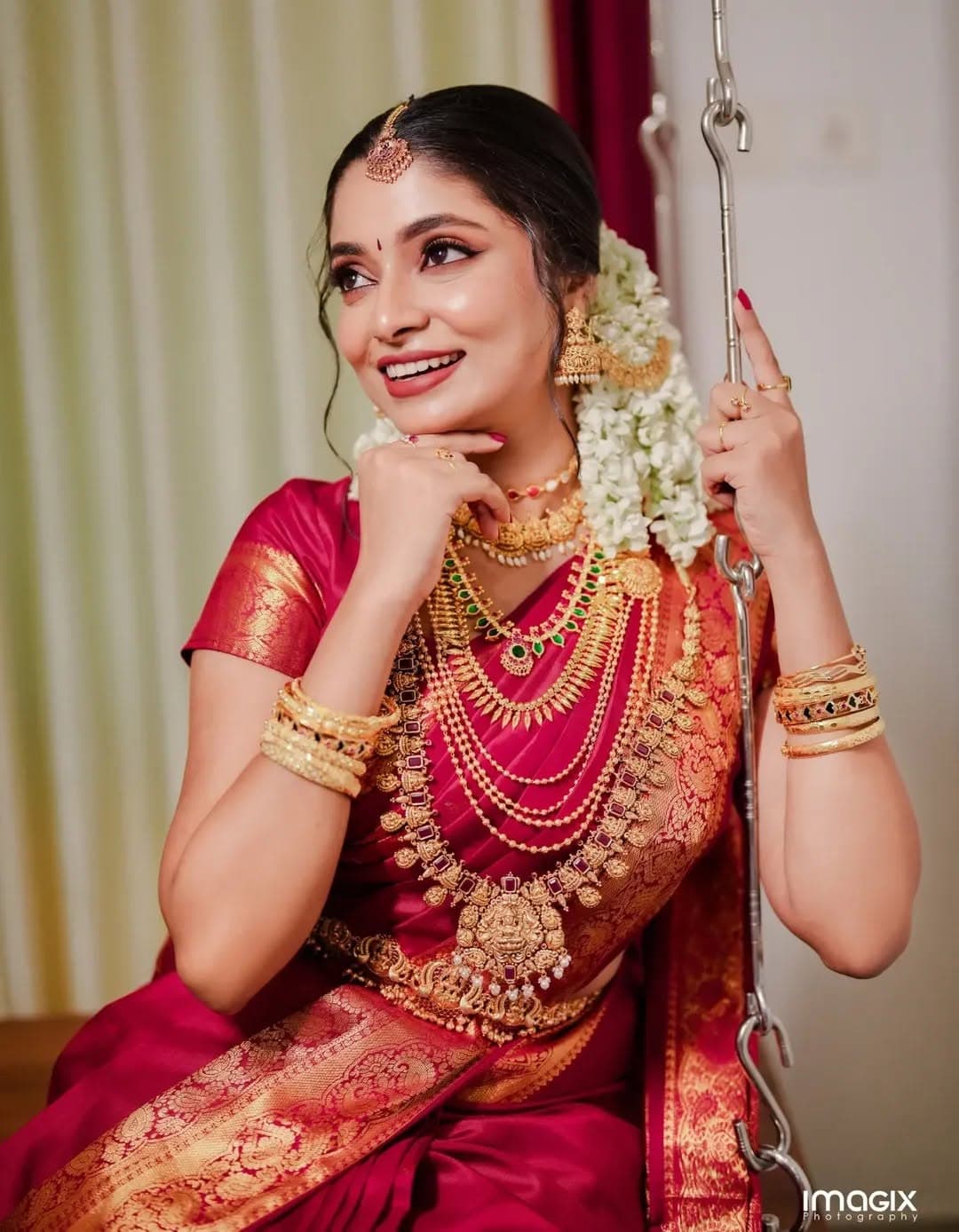
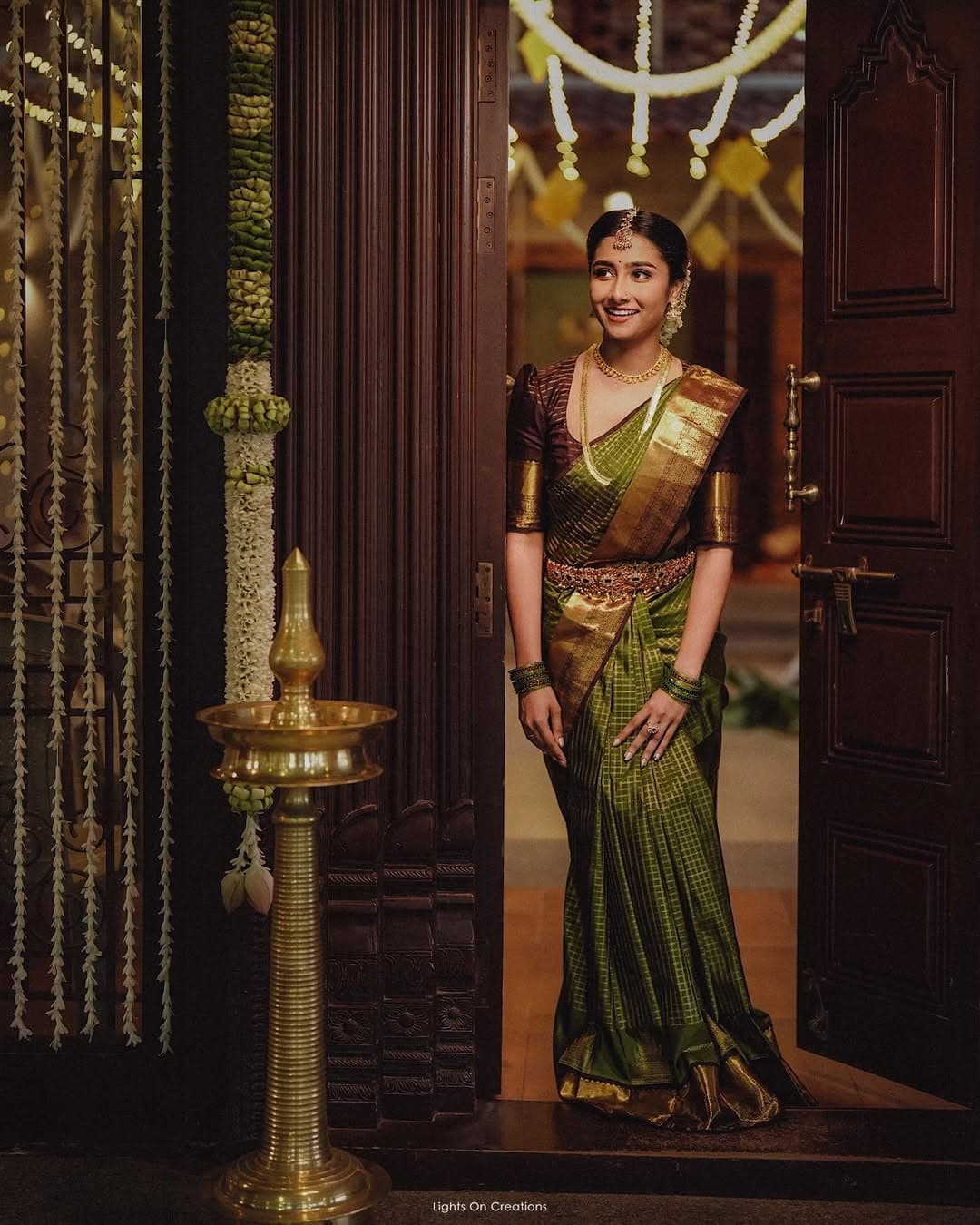
Kanjivaram silk is distinguished by its weight and structure. Woven on a traditional pit loom, a Kanjivaram saree uses a unique three-shuttle technique where the body and border are woven separately and then interlocked — a method called korvai. This creates the distinctive contrast borders that Kanjivarams are famous for. The silk itself is heavier and more robust, typically using mulberry silk with a higher thread count that gives the fabric its characteristic stiffness and sheen. The zari work tends to be geometric and architectural, featuring temple towers, checks (kattam), and mythological figures.
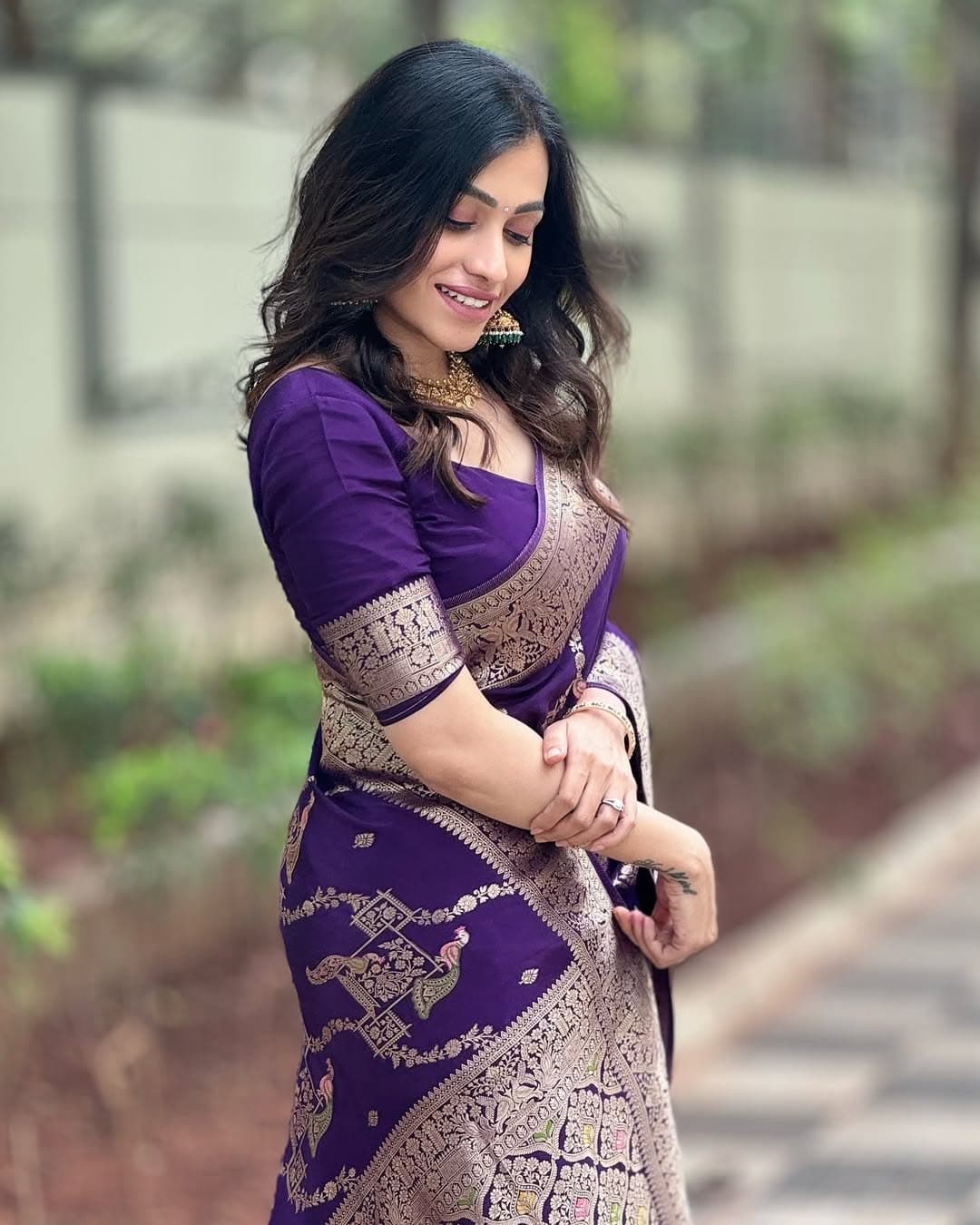
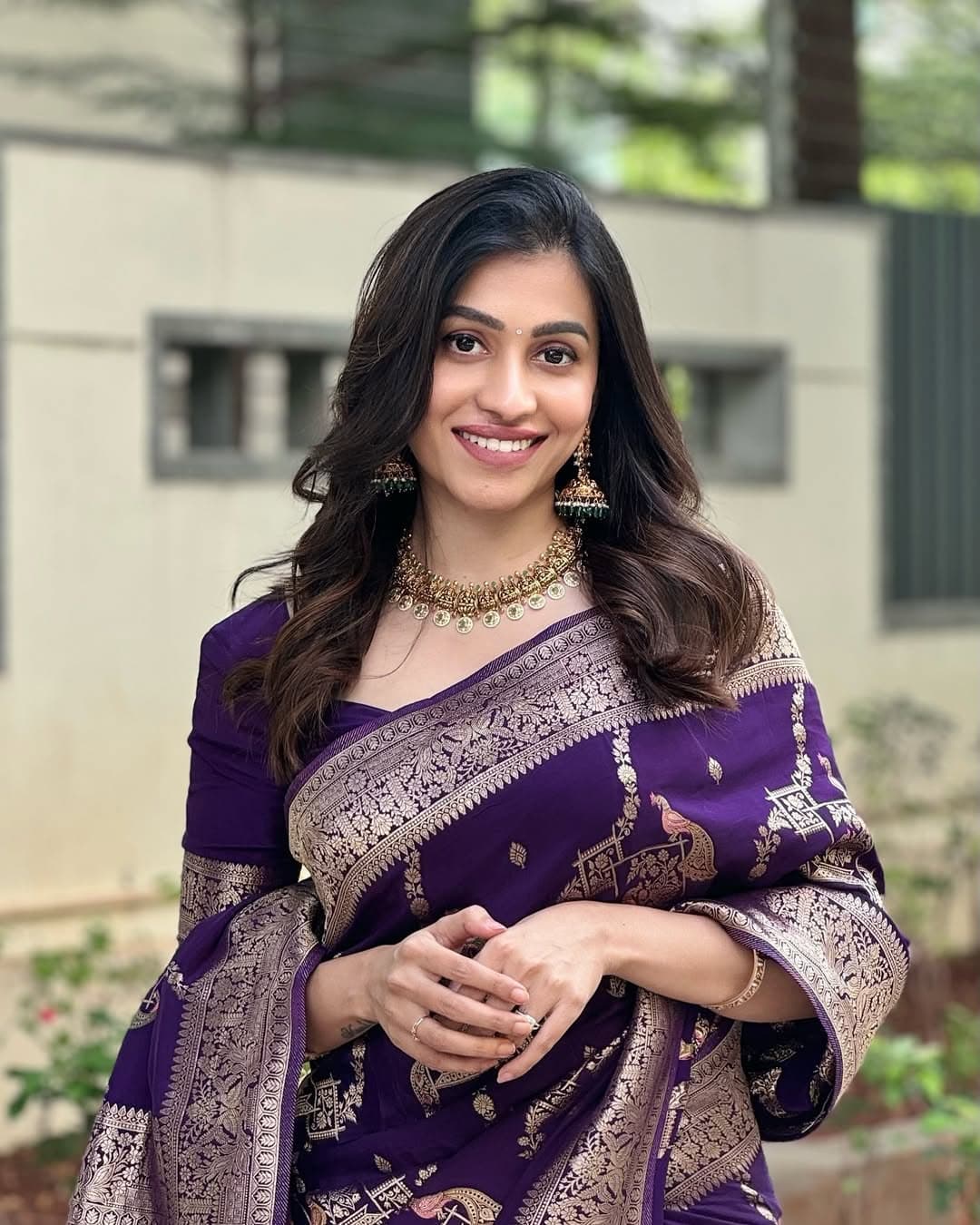
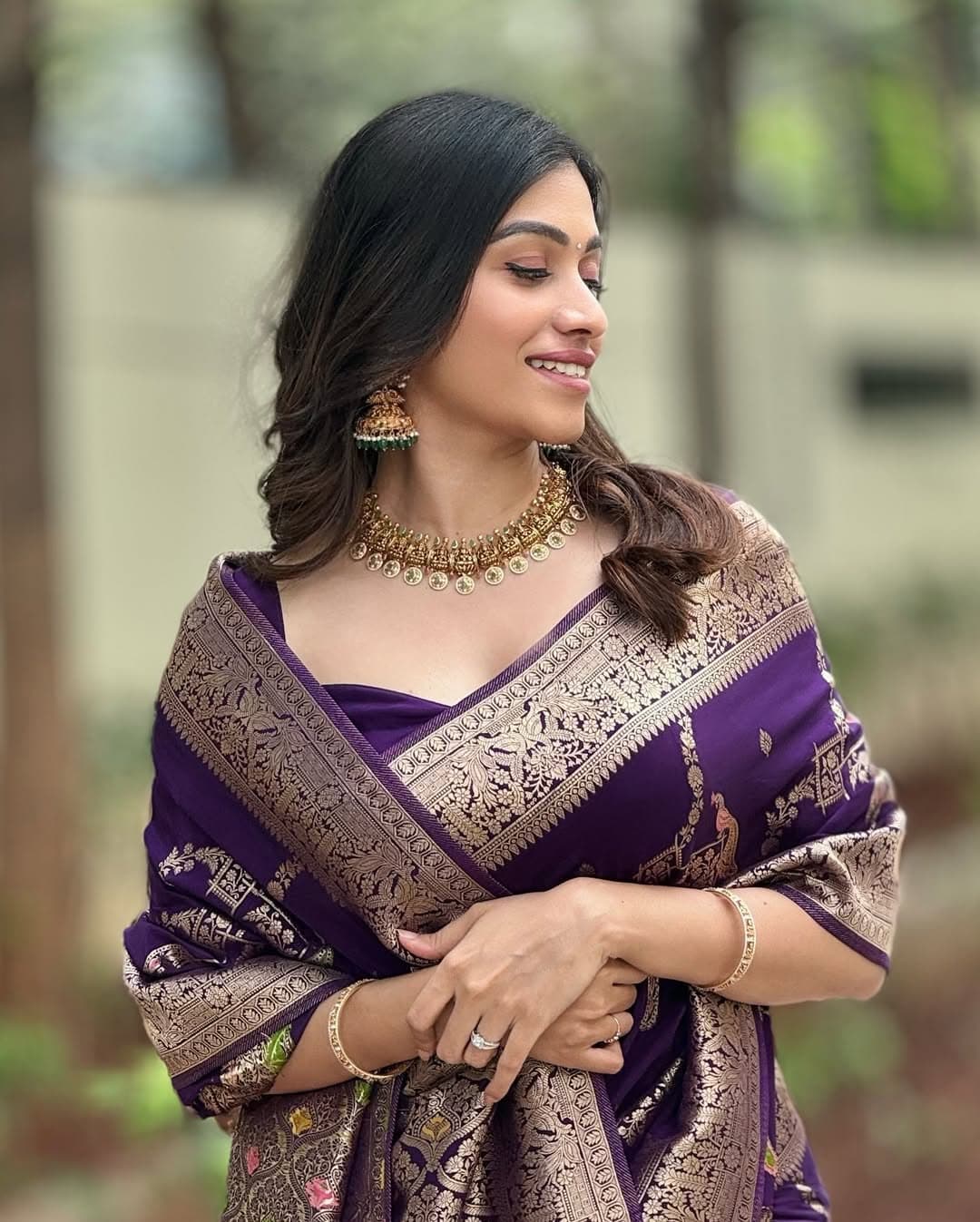
Banarasi silk, by contrast, is known for its fluidity and intricate surface ornamentation. Woven on a jacquard loom, Banarasi sarees feature elaborate brocade patterns — jaal (latticework), butidar (small repeating motifs), and tanchoi (a dense satin weave with coloured threads creating the pattern on the surface). The silk is lighter and more supple than Kanjivaram, draping in soft folds that move gracefully with the body. Banarasi zari work often covers a larger surface area of the saree, creating an all-over shimmering effect rather than concentrated borders.
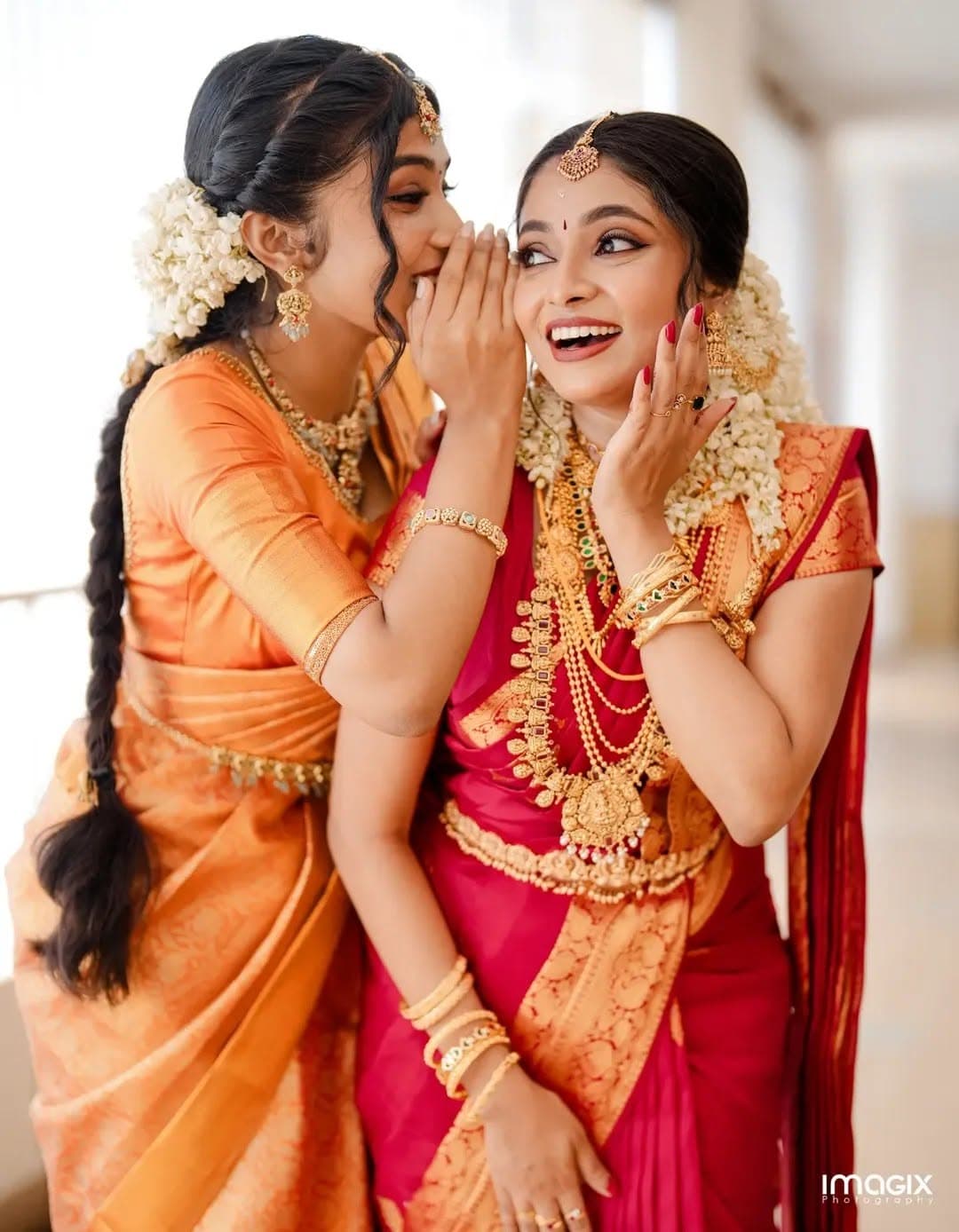
For bridal wear in South Indian ceremonies, the Kanjivaram is the traditional choice. Its structured drape holds the elaborate bridal pleating perfectly, and its temple motifs carry deep cultural significance. For North Indian weddings, the Banarasi reigns supreme — its rich brocade patterns pair beautifully with the lehenga-style draping popular in those traditions. However, modern brides increasingly cross these regional boundaries, choosing based on personal style rather than convention alone.
For festive occasions, both silks shine in different contexts. A Kanjivaram in jewel tones — emerald, ruby, sapphire — makes a commanding statement at formal pujas, temple visits, and family celebrations. A Banarasi in softer tones — blush, lavender, champagne — is ideal for evening soirees, cocktail dinners, and contemporary festive gatherings where a lighter, more fluid drape is preferred. At NYSA SILK, we curate both traditions because we believe every woman deserves access to the full spectrum of India's silk heritage.
Explore